Transmission Running Hot? What's Actually Causing the Heat and How to Stop the Damage
August 30, 2026
Quick Answer: Your transmission overheats when the fluid inside it absorbs more heat than the cooling system can carry away. Internal friction, heavy load, and hot outside air all play a part. Stop-and-go traffic, towing, hauling, and long highway stretches in high heat push fluid temperature past the point where it can still lubricate properly and hold hydraulic pressure. Run hot long enough and the fluid breaks down chemically, which then causes the exact shifting problems it was supposed to prevent. Catch the early signs and protect the cooling capacity, and a manageable issue never gets the chance to turn into a full internal failure.
A dealer report will typically itemize every fault code found across all modules. An independent focused on transmission work may produce a more detailed narrative of what was found specifically in the transmission and transfer case. Neither format is automatically superior. What matters is whether the report includes live data observations and not just code pulls.
Why Heat Is the Number One Enemy of a Transmission
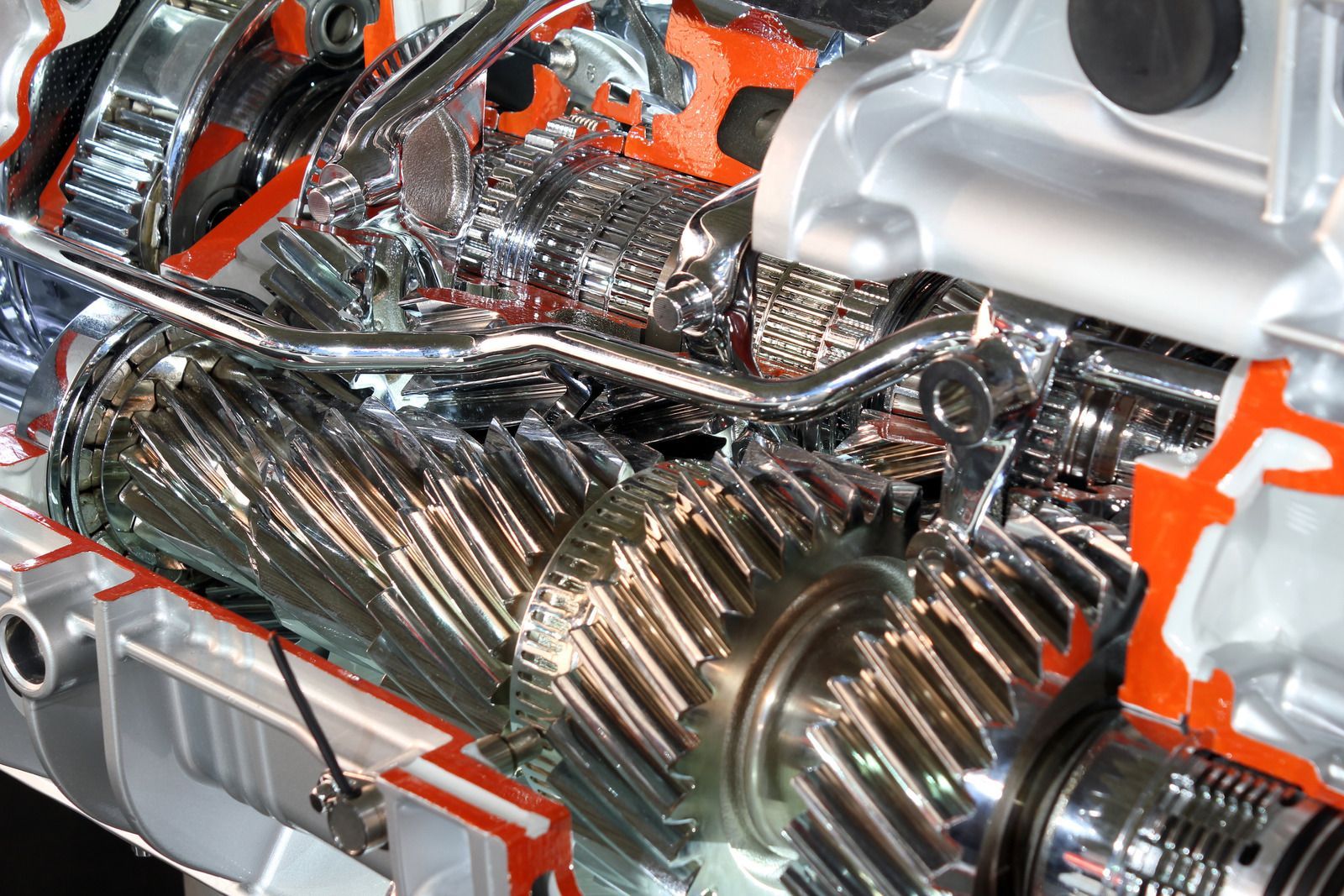
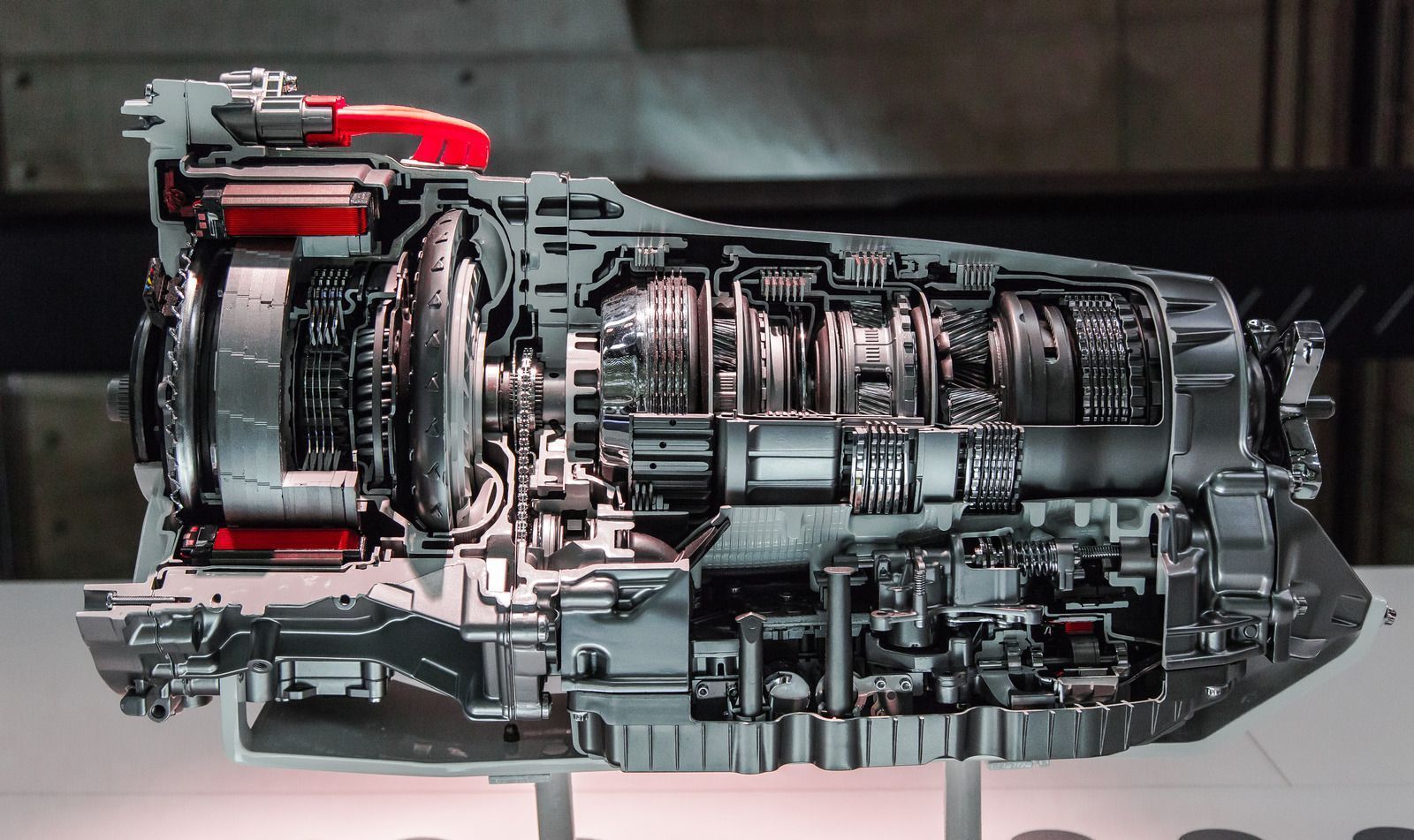
Every automatic transmission makes heat as a normal part of doing its job. Clutch packs engage and release, the torque converter multiplies torque through fluid coupling, and gears mesh under load. None of that happens without friction. And friction makes heat. A healthy cooling system handles it without a second thought. Trouble starts the moment heat generation outpaces what the system can carry away.
How Friction Turns Into Heat
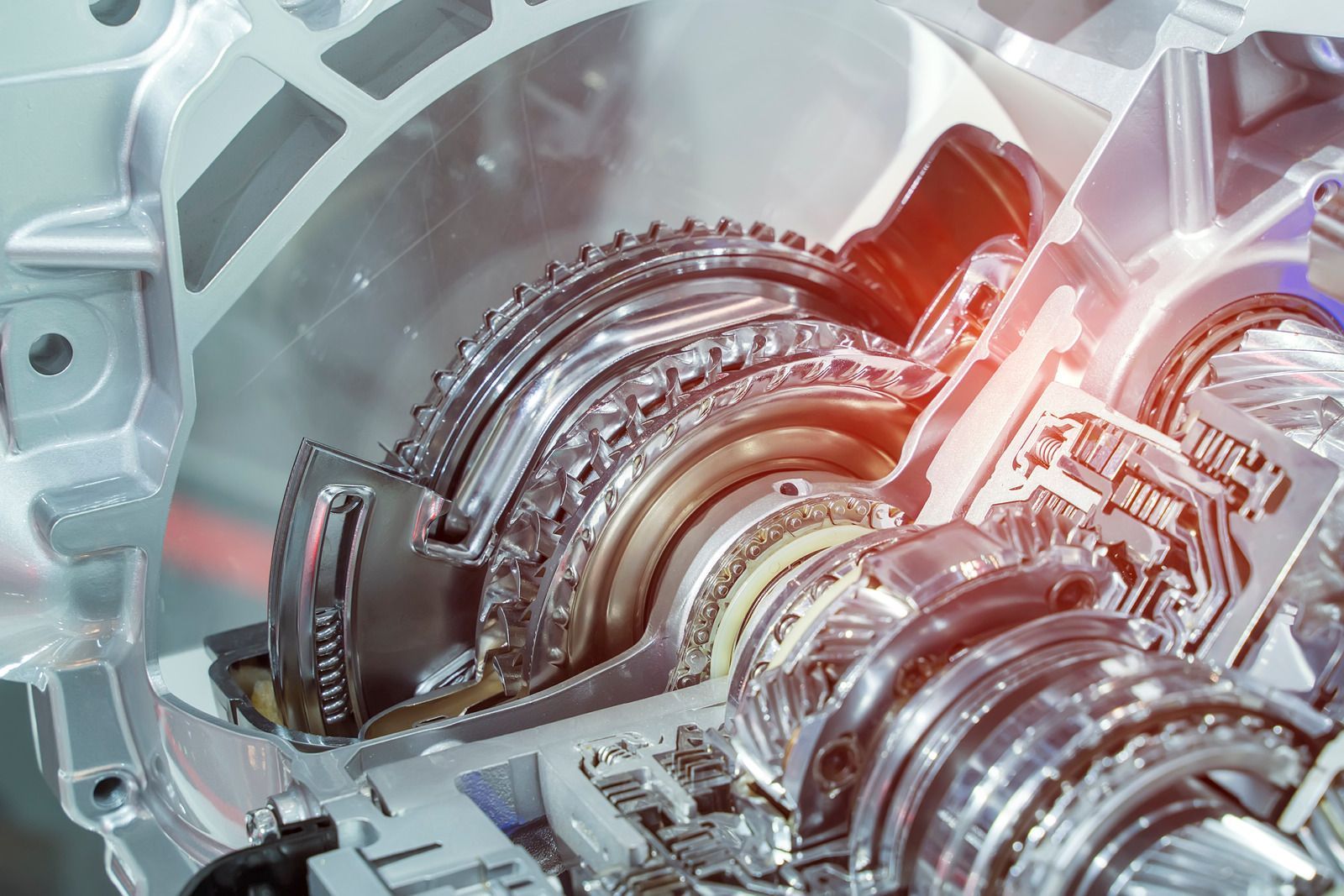
Clutch packs inside an automatic transmission apply and release constantly as the unit shifts gears, and each application throws off a burst of friction heat. The torque converter adds more through fluid shear as it hands engine power to the transmission. A manual transmission does similar work at the clutch disc and flywheel, with gear-to-gear contact under load adding its own share. All of this is expected. It's designed for. Fluid pulls that heat away from the friction surfaces and routes it to the cooler, where outside air finally carries it off.
What Happens When Fluid Gets Too Hot
A transmission cooling system can only remove so much heat per mile. Once the heat coming in outpaces what the cooler can pull out, fluid temperature climbs and stays there. That fluid was engineered to work within a specific range, and once it runs consistently hotter, it starts losing viscosity and hydraulic efficiency. Slipping. Delayed engagement. A torque converter that won't lock up cleanly. These are usually the first things a driver actually notices, even though the real problem has been building for miles already.
What Pushes Transmission Temperature Higher
A handful of everyday driving conditions push fluid temperature up, and Houston-area drivers often deal with more than one of them stacked together on the same afternoon.
Stop-and-Go Traffic and Extended Idle Load
A transmission gets the least airflow across its cooler at low speed, which happens to be exactly when it's working hardest. Repeated stops, creeping starts, and long idle stretches in heavy traffic keep the torque converter grinding away without the highway airflow that would normally help pull heat back out. A commute through congested Houston-area corridors in summer can put a transmission through more heat cycling in forty minutes than an hour of open highway driving ever would.
Towing and Hauling Add Direct Load
Pull a trailer or haul a loaded bed, and you multiply the work the transmission does just to move the vehicle. More load means more slip at the torque converter and more heat with every shift, especially on grades or during repeated acceleration. A transmission that runs comfortably unloaded can climb well past its normal range within a short distance once a trailer gets hitched up, particularly on a vehicle that was never really set up for towing in the first place.
Extreme Ambient Heat Compounds Everything
Texas summers stack another layer on top of all that driving load. When outside air hits the high nineties, the cooler has less of a temperature gap to work with, so it pulls heat out of the fluid less efficiently even when every part of the system is doing what it should. Pavement radiating stored heat back up into the underbody only adds to it. A transmission that runs fine on a mild spring day can run noticeably hotter doing the same exact drive in August, simply because the cooling system has less room to work with.
TIP:
If you tow or haul with any regularity, pay attention to how the vehicle behaves in the first few miles after hitching up. A transmission that shifts firm and confident when empty but starts to feel soft, hesitant, or slow to engage once loaded is telling you the cooling system is working near its limit. That's the moment to get it looked at, not after a long trip has already pushed it further.
Signs Your Transmission Is Running Hotter Than It Should
Heat-related stress rarely announces itself with a dramatic failure right out of the gate. It builds gradually. Knowing what to watch for is what lets you catch it early instead of after the damage is done.
Fluid That Looks or Smells Wrong
Healthy automatic transmission fluid is translucent and reddish, almost like cherry cough syrup. Fluid that's been run hot again and again turns dark brown or nearly black, and it usually carries a sharp, burnt smell that's hard to mistake once you've smelled it. That color and odor change happens because heat breaks down the additive package in the fluid and starts cooking the friction material inside the clutch packs. Once fluid looks or smells like that, the transmission has already been running outside a safe range for a while.
Shifting Changes You Can Feel
A hot-running transmission often shifts differently than it did when it was cool. Shifts can feel delayed, softer than normal, or a little out of sync with engine RPM. The torque converter may hesitate to lock up on the highway, letting engine RPM float higher than it should at a steady cruise. None of these changes look dramatic on their own. That's exactly why so many drivers write them off as normal wear instead of recognizing them as an early heat warning.
Why Continuing to Drive Hot Makes It Worse
Heat damage compounds on itself in a way that few other transmission problems do, and that's worth understanding before symptoms turn severe.
WARNING:
Once fluid starts breaking down from heat, it loses lubricating ability at the exact moment the transmission needs it most. That breakdown throws off friction debris, and the debris circulates through the valve body and clutch packs, causing more slip, which makes more heat. It's a cycle that speeds up rather than levels off. A transmission driven hot for an extended stretch, especially while towing, can go from a manageable fluid or cooling issue to serious internal wear faster than most drivers expect. Notice a burnt smell, darkened fluid, or a shift that suddenly feels off after towing or a long stretch of heavy traffic? Treat that as your cue to stop and have the system checked, not something to keep an eye on over the following weeks.
What Protects a Transmission From Heat-Related Damage
Protecting against heat really comes down to two things. Keep the cooling system capable of doing its job, and don't ask more of the transmission than the vehicle was ever set up to handle.
Fluid Condition and Cooling Capacity
Fresh, correctly specified fluid handles heat far better than fluid that's already starting to degrade, which is why staying current on fluid service intervals builds in a real margin against heat. The cooler itself matters just as much. Airflow restrictions from road debris, a cooler that's undersized for towing use, or lines that have started to restrict flow all cut into the system's ability to shed heat right when demand is highest. A full inspection looks at fluid condition alongside the cooling components together, since a hot-running transmission is usually being let down by both at once, not just one.
Driving Habits During Towing
Tow or haul with any regularity, and a few habits go a long way toward cutting the heat load. Selecting a lower gear on long grades keeps the torque converter from working overtime trying to hold a gear it can't comfortably maintain. Giving the vehicle a few minutes at idle or light load after a demanding pull, instead of shutting it down right away, lets fluid keep circulating through the cooler while the residual heat works its way out. None of this takes special equipment. It just takes paying attention to how the vehicle is behaving and adjusting before heat gets a chance to build past a safe point.
When to Get It Checked
Darkened or burnt-smelling fluid. Softer or delayed shifts. A torque converter that won't lock up cleanly. Noticeably different behavior the moment a trailer gets attached. Any of these deserve a professional look rather than a wait-and-see approach. A proper evaluation checks fluid condition, verifies cooling system performance, and confirms whether the transmission has already sustained heat damage or whether the issue can still be corrected with service alone. Catching a heat problem early is almost always the difference between a quick correction and a repair that has grown to include internal components that never needed to be touched in the first place.
Frequently Asked Questions
Does towing always cause transmission overheating?
No. Many vehicles tow safely within their rated capacity. Overheating risk increases with heavier trailers, steep grades, hot weather, prolonged towing, and vehicles lacking a factory towing package, auxiliary transmission cooler, or adequate cooling capacity for sustained loads.
Can a transmission overheat even without towing or heavy traffic?
Yes. Low transmission fluid, deteriorated fluid, clogged cooler lines, a failing transmission cooler, or internal mechanical problems can all raise operating temperatures during everyday driving, making overheating possible even without demanding driving conditions or towing.
Is a burnt smell from the transmission always serious?
Yes. A burnt odor usually indicates transmission fluid has overheated and its protective additives have broken down. Continued driving can accelerate internal wear, making prompt inspection important even if shifting still seems normal and consistent.
Will a fluid flush fix an overheating problem on its own?
Not always. Fresh fluid improves lubrication and heat resistance, but it cannot correct restricted cooler lines, cooling system faults, or mechanical issues. Unless the underlying cause is addressed, the transmission will likely continue running excessively hot.
Understanding Heat Before Damage Becomes Permanent
For more than 20 years, Dr. Fred's Transmissions has helped drivers in Spring, TX understand how transmission problems often begin long before a warning light appears. Excessive heat develops gradually, and recognizing small changes in shifting, fluid condition, or vehicle behavior allows owners to correct the cause before wear spreads through internal components. A well-maintained cooling system, clean transmission fluid, and realistic expectations for towing and hauling all work together to keep operating temperatures within a safe range.
Transmission overheating is rarely caused by a single event. It usually results from several conditions combining over time, including heavy workloads, aging fluid, restricted cooling, and demanding weather. Paying attention to early symptoms and understanding what creates excess heat helps prevent unnecessary internal damage and extends the service life of the transmission. A little awareness today often prevents much larger mechanical problems later, allowing the vehicle to continue operating reliably under both everyday driving and more demanding conditions.