Transmission Slipping Between Gears: What's Actually Going Wrong
September 15, 2026
Quick Answer: A slipping transmission usually means something inside the unit has lost its grip — worn clutch packs, a burnt or low fluid supply, a failing solenoid, or a torque converter that's no longer locking up cleanly. The engine revs but the car doesn't respond the way it should, or there's a pause before the gear catches. Automatic and manual transmissions slip for different mechanical reasons, but in both cases the fluid and friction components are almost always where the real problem lives. A scan tool and a hydraulic pressure test usually separate a simple sensor fix from a repair that needs the transmission opened up.
You feel it before you can explain it. The engine climbs in RPM, but the truck doesn't pick up speed the way it should. Or there's a half-second gap between tapping the gas and the transmission actually catching — long enough that you glance down at the dash wondering if something's wrong. Something is. A slipping or hesitating transmission is one of the more common complaints that walks through a repair bay, and it's rarely one single thing.
Slipping happens when a transmission can't hold a gear the way it's designed to. Under the hood, that means a clutch pack or band has lost its grip — or a torque converter isn't clamping down the way it should. What causes that loss of grip varies. Figuring out which cause applies to your vehicle is the difference between a quick repair and one that snowballs.
A dealer report will typically itemize every fault code found across all modules. An independent focused on transmission work may produce a more detailed narrative of what was found specifically in the transmission and transfer case. Neither format is automatically superior. What matters is whether the report includes live data observations and not just code pulls.
What Slipping Actually Feels Like
Not every hesitation is the same kind of problem, and the distinction matters for diagnosis.
RPM Flare
The engine revs up noticeably before the vehicle responds, almost like the clutch is disengaged even though your foot isn't on one. This is the classic sign of a friction component that's lost its bite.
Delayed Engagement
You shift into drive or reverse and there's a pause — sometimes a full second or two — before the vehicle actually moves. This points more toward hydraulic pressure or fluid delivery than pure mechanical wear.
Gear Hunting
The transmission shifts up and down repeatedly on its own, hunting for a gear that feels right and never quite settling. This often traces back to the transmission control module reacting to bad sensor data.
A Jolt Or Clunk Mid-Shift
Rather than a smooth transition, you feel a bang as the transmission finally grabs. Worn bands and glazed clutch material both produce this.
Manual transmissions show a related but distinct symptom — the engine revs under load without a corresponding increase in speed, almost always tied to a worn-out clutch disc rather than anything inside the gearbox itself.
Worn or Glazed Clutch Packs and Bands
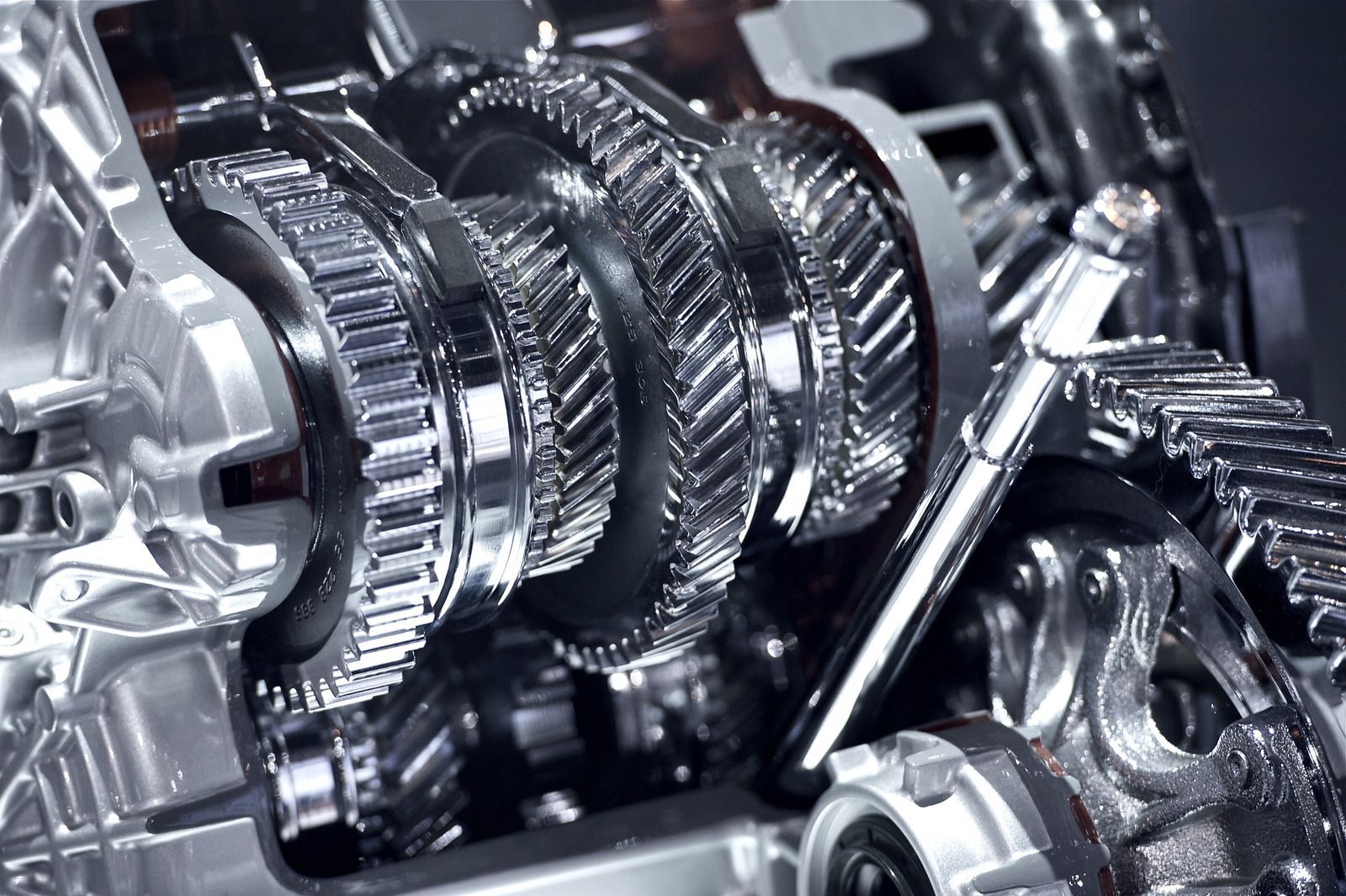
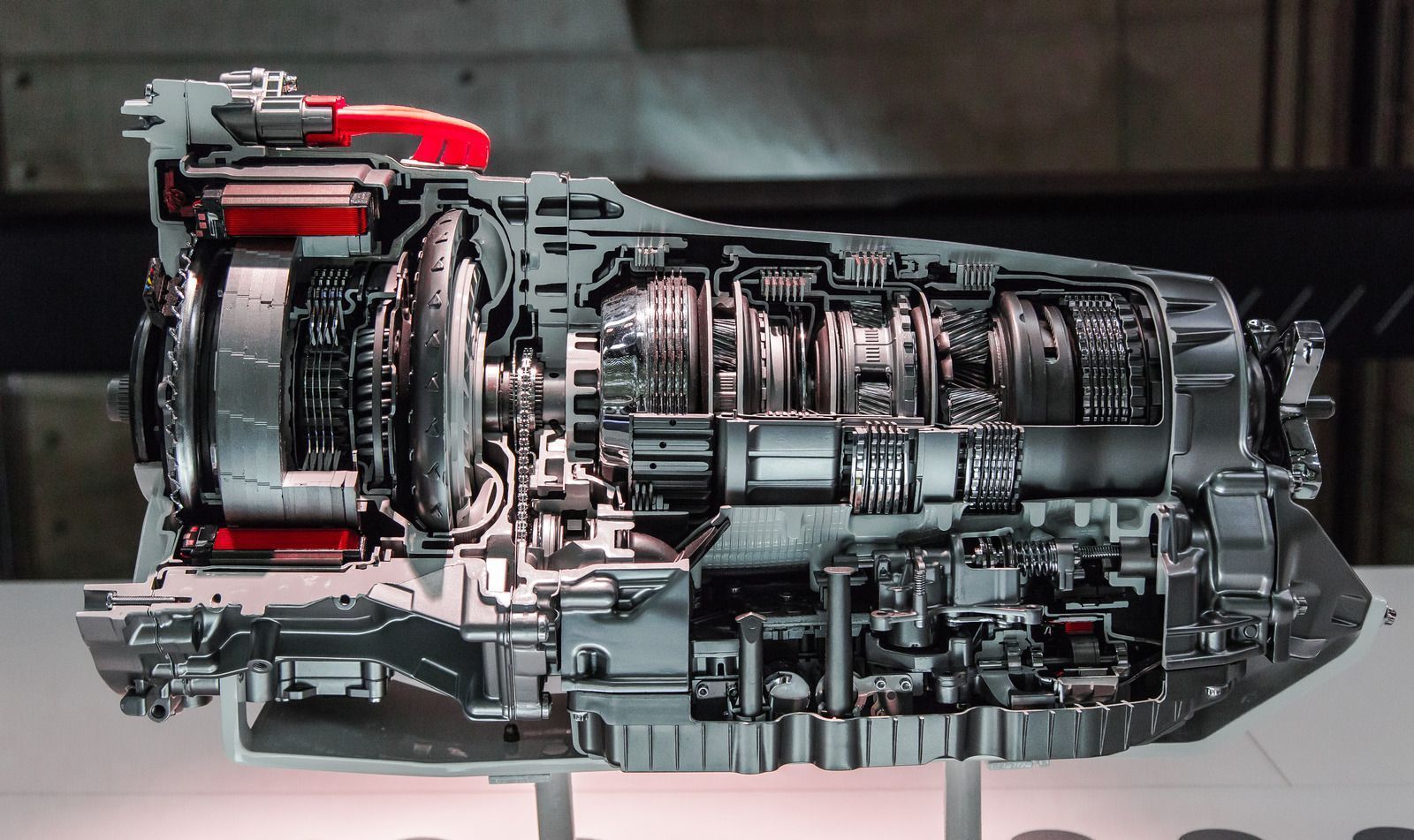
Inside an automatic transmission, clutch packs and bands are what actually hold each gear. They're friction surfaces — steel plates sandwiched against material designed to grip when hydraulic pressure clamps them together. According to technical research on shift quality published by the transmission industry trade publication GEARS Magazine, that friction coefficient needs to sit in a fairly narrow window for a clean shift. When the friction material glazes over from heat or age, or when a band stretches and loses its adjustment, the plates start to slide against each other instead of locking solid. The result is exactly the RPM flare described above — the engine spins, but power delivery slips.
This kind of wear is progressive. A transmission with early-stage glazing might slip only under load — accelerating hard or climbing a grade — before it eventually slips at every shift, even easing away from a stop sign.
Low, Dirty, or Burnt Transmission Fluid
Transmission fluid does two jobs at once: it lubricates moving parts, and it's the hydraulic medium that actually applies the clutch packs. When fluid is low from a leak, or when it's broken down from heat and age, the hydraulic pressure needed to clamp those clutches drops off. Underfilled or degraded fluid is one of the most common — and most fixable — causes of slipping, because the mechanical parts themselves may still be in decent shape.
Burnt fluid has a distinct smell, almost like scorched toast, and it often carries a darker color than the translucent red or amber of healthy fluid. That discoloration comes from friction material breaking down and cooking into the fluid itself, which then circulates that debris through the entire system.
TIP:
A quick fluid check can rule out one of the most common causes fast. With the vehicle warmed up and on level ground, healthy automatic transmission fluid should be a clear red or light amber, with a faint petroleum smell. If it's dark brown, smells burnt, looks cloudy, or leaves grit on the dipstick, that's a strong signal the fluid — and possibly the friction material — is compromised.
Solenoid, Sensor, and Valve Body Problems
Not every slip is mechanical. Modern automatic transmissions are controlled by a network of solenoids that direct fluid flow to the correct clutch packs at the correct pressure, guided by sensor input the transmission control module reads dozens of times a second. A stuck shift solenoid or a speed sensor feeding it bad data is enough to make the computer apply pressure at the wrong moment. The same goes for a valve body that's worn internally and letting fluid bypass where it shouldn't. Either way, the vehicle feels like it's slipping even though the clutch packs and bands underneath are perfectly healthy.
This distinction is why a proper diagnostic scan matters before any parts get replaced — a bad sensor and a full internal failure can produce nearly identical symptoms from the driver's seat, and only actual data separates them.
Torque Converter Wear
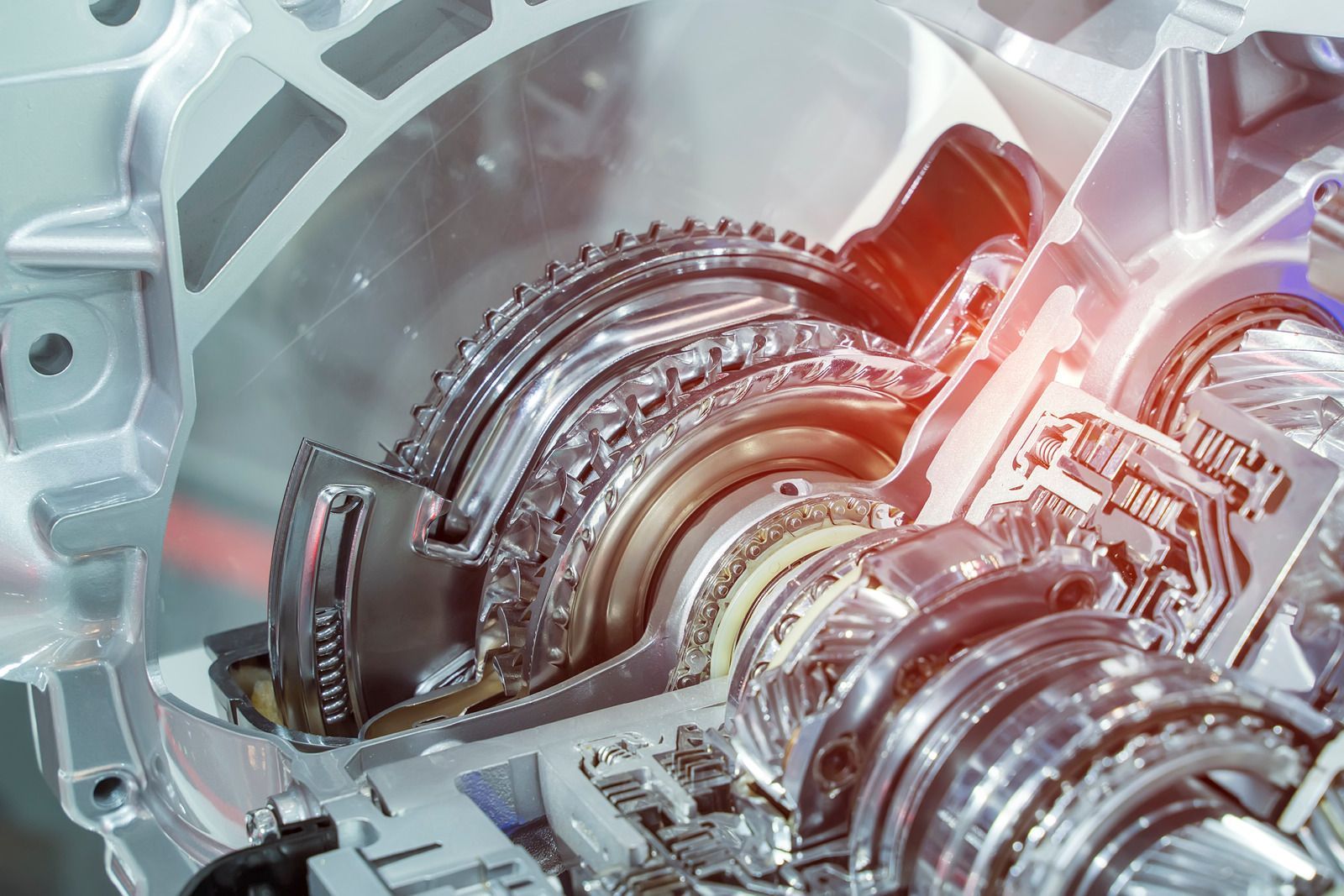
The torque converter sits between the engine and the transmission, using fluid to transfer power before a lock-up clutch inside it engages for a direct mechanical connection at cruising speed. When that lock-up clutch wears or the internal seals fail, the converter can't hold its grip the way it should, producing a slip that feels most noticeable at steady highway speeds rather than during acceleration from a stop. It's a different animal from clutch pack slipping inside the transmission case, but from the driver's seat, both read as "the car isn't doing what I asked it to."
Why Houston Heat and Towing Speed This Up
Transmission fluid has a working temperature range, and once it runs consistently hotter than that range, its lifespan drops fast. Transmission technicians commonly work off a rule of thumb that fluid life gets cut roughly in half for every 20 degrees Fahrenheit the fluid runs above its ideal operating temperature — and a summer afternoon on I-45 or the Grand Parkway with the AC running and the engine bay soaking up 100-degree heat pushes fluid temperature well past where it wants to sit. Add stop-and-go traffic through Spring, Tomball, or The Woodlands, where the transmission is constantly shifting rather than settling into a steady gear, and that heat load compounds.
Towing adds a second layer. Pulling a boat to Lake Conroe or hauling a trailer forces the torque converter and clutch packs to work under sustained load, generating more heat and more friction wear than routine driving. A transmission that's already running warm from Houston traffic and takes on regular towing duty is doing double the work its fluid was designed to handle comfortably.
What Happens Underneath While You Keep Driving
Slipping doesn't stay contained to the part that started it. Once clutch material begins glazing or burning, tiny particles of that friction material shed into the fluid and circulate through the entire hydraulic system — including the narrow passages inside the valve body and the fine mesh of the transmission filter. That debris can clog passages that were never part of the original problem, turning a worn band into a valve body full of contaminated fluid and starving other clutch packs of the pressure they need. What starts as an isolated slip in one gear has a way of spreading to the whole transmission the longer it runs unaddressed.
WARNING:
Continuing to drive on a transmission that's actively slipping accelerates this contamination cycle. The longer worn friction material circulates through the system, the more components it can affect — turning a single-component repair into a full internal service.
Catching the cause early, before debris spreads, is usually what keeps a repair contained to the part that actually failed.
Frequently Asked Questions
Why does my transmission only slip when it's hot outside?
Heat thins transmission fluid and accelerates breakdown of friction material and additives, reducing hydraulic pressure. Fluid that's already marginal often holds up fine in mild weather but starts slipping once Texas summer heat pushes temperatures higher.
Can a bad sensor really make a transmission feel like it's slipping?
Yes. A speed sensor sending bad data or a stuck solenoid can cause the control module to apply pressure at the wrong moment, producing a flare that feels mechanical even when the hard parts are fine.
What's the difference between transmission slipping and a shift flare?
They're related but not identical. A shift flare is the RPM spike during a gear change, while slipping can persist continuously in one gear. Both point to lost clamping force, but live data tells them apart.
Does stop-and-go traffic make slipping worse?
It can. Constant shifting during heavy traffic generates more heat and repeated stress on clutch packs than steady highway driving does. That cycling can expose marginal fluid or worn friction material sooner than expected.
Can towing a boat or trailer cause a transmission to start slipping?
Sustained towing loads the torque converter and clutch packs well beyond normal driving, raising fluid temperature and accelerating wear. A transmission already running warm daily is more likely to slip once towing gets added.
Why does my transmission hesitate only when it's cold?
Cold fluid is thicker and slower to reach the pressure needed for quick engagement, causing brief hesitation after startup. If it lingers past the first few minutes, the fluid and hydraulic pressure should be checked.
One Symptom, A Handful Of Real Causes
A slipping transmission rarely comes from just one thing, which is exactly why guessing at a fix so often falls short. Worn clutch packs, degraded fluid, a failing sensor, or a torque converter losing its grip all produce the same flare or hesitation from the driver's seat, but they call for very different repairs underneath. The longer that distinction goes unidentified, the more likely worn material spreads through the system and turns a contained issue into a full internal service.
Dr. Fred's Transmissions
has spent 20+ years diagnosing exactly that difference for drivers across Spring, TX, where summer heat and heavy towing put extra strain on fluid and friction components alike. Running a full computer scan alongside a hands-on inspection is what separates a quick fluid fix from a repair that actually needs the transmission opened up. Catching the real cause early is almost always what keeps the job small.